
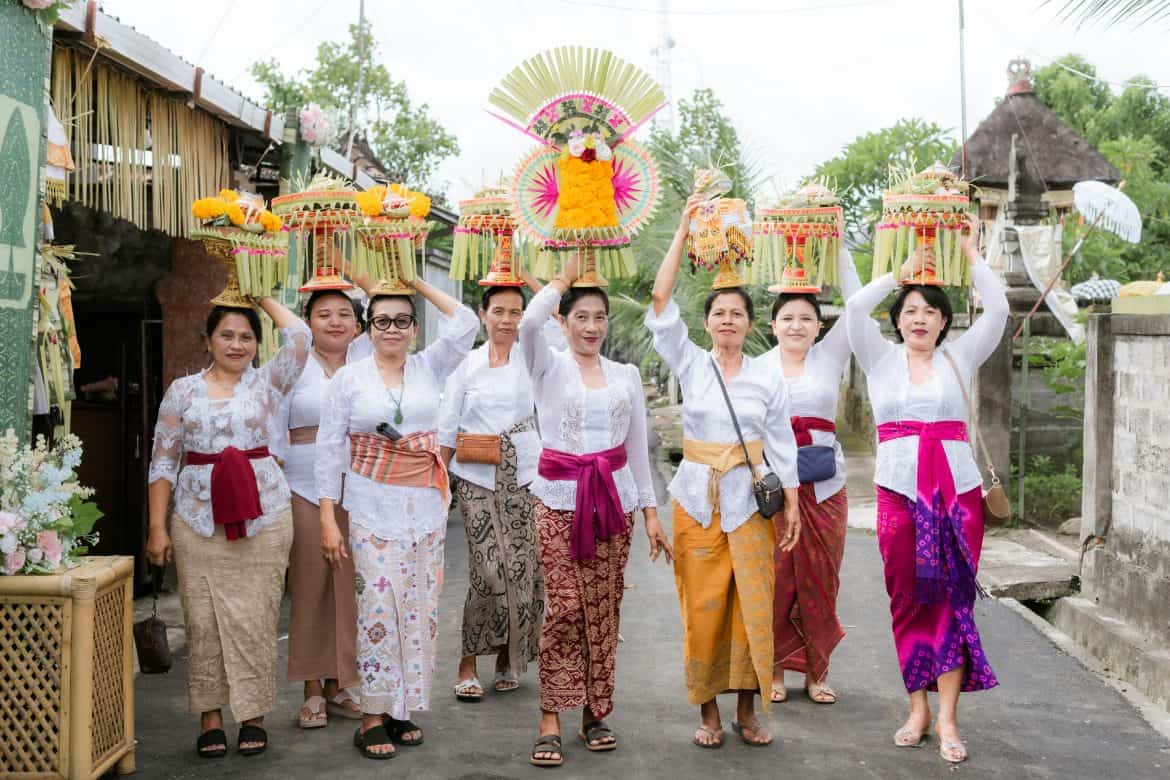
Cultural festivals and events in Seminyak, Bali can be defined as a combination of traditional Balinese Hindu ceremonies, community celebrations, and modern cultural showcases that reflect the island’s spiritual values and artistic heritage. Seminyak is widely known for its beaches and lifestyle appeal, yet it also serves as a strategic base for experiencing Bali’s most meaningful cultural events throughout the year.
For travellers seeking both cultural immersion and comfort, staying in well-located accommodations such as Montigo Resorts Seminyak makes it easier to experience these festivals while remaining close to temples, beaches, and event locations across southern Bali. This article explores the most important cultural festivals and events you can experience while staying in Seminyak, beginning with an overview of the Balinese calendar and continuing through key religious, artistic, and community celebrations.
Understanding Cultural Festivals in Seminyak, Bali
Cultural festivals in Seminyak are deeply rooted in Balinese Hinduism and local community traditions. Unlike many destinations where festivals occur only on fixed dates, Bali follows traditional calendar systems that prioritise spiritual cycles.
According to data from the Bali Provincial Culture Office, more than 80 percent of Balinese residents participate in religious ceremonies throughout the year, making cultural events an integral part of daily life rather than isolated celebrations.
The Role of the Balinese Calendar
Most cultural festivals follow either the Pawukon calendar, a 210-day cycle, or the lunar Saka calendar. As a result, festival dates change annually, encouraging visitors to plan ahead if they wish to observe specific ceremonies during their stay in Seminyak.
Nyepi, The Balinese Day of Silence
Nyepi is the Balinese Hindu New Year and one of the most significant cultural events on the island. It is observed as a full day of silence, reflection, and meditation, during which all activities across Bali come to a complete stop.
The Indonesian Ministry of Tourism has highlighted Nyepi as a globally unique cultural observance, as airports close, roads remain empty, and artificial lighting is minimised. Guests staying at resorts such as Montigo Resorts Seminyak experience Nyepi from within their accommodation, where the silence and absence of light create a rare opportunity for reflection while respecting island-wide regulations.
Ogoh-Ogoh Parades Before Nyepi
On the evening before Nyepi, communities stage Ogoh-Ogoh parades featuring large handcrafted effigies that symbolise negative spiritual forces. These figures are carried through local streets near Seminyak before being ceremonially destroyed to restore balance and harmony.
Galungan and Kuningan, Celebrating Good Over Evil
Galungan is a major Balinese festival celebrating the victory of good over evil and marking the return of ancestral spirits to the earthly realm. It is one of the most visually striking times to visit Seminyak.
During Galungan, streets are lined with penjor, tall bamboo poles decorated with coconut leaves and offerings. Cultural researchers at Udayana University explain that penjor symbolizes gratitude, prosperity, and the connection between humans and the divine. Areas surrounding Montigo Resorts Seminyak are often adorned with these decorations, allowing visitors to experience the festive atmosphere simply by walking nearby.
Kuningan, The Closing Ceremony
Kuningan takes place ten days after Galungan and marks the departure of ancestral spirits. Offerings during this day often include yellow rice, which symbolises prosperity and blessings for the future.
Melasti Ceremonies on Seminyak Beaches
Melasti is a purification ritual held several days before Nyepi, during which sacred temple objects are carried to the sea for cleansing. This ceremony reinforces the Balinese belief in maintaining harmony between humans, nature, and spiritual forces.
Beaches near Seminyak frequently host Melasti processions, providing opportunities for visitors to observe traditional attire, prayer rituals, and offerings in a natural coastal setting. Studies by the Bali Cultural Preservation Society describe Melasti as a foundational ritual in Balinese spiritual life.
Odalan, Temple Anniversary Celebrations
Odalan refers to temple anniversary celebrations held according to the Pawukon calendar. Each temple has its own Odalan, resulting in frequent ceremonies across Bali throughout the year.
Petitenget Temple, one of Seminyak’s most important spiritual landmarks, holds Odalan ceremonies that include traditional dance, gamelan music, and communal prayers. The temple is located within easy reach of Montigo Resorts Seminyak, making it convenient for visitors to observe these ceremonies while respecting local customs.
Bali Arts Festival, A Showcase of Cultural Expression
The Bali Arts Festival is an annual celebration of Balinese creativity, typically held between June and July in Denpasar. It features performances of traditional dance, music, theatre, and visual arts from across the island.
Although the festival is centred outside Seminyak, it is easily accessible and often included in visitor itineraries. According to the Bali Arts Council, the festival hosts hundreds of performances and serves as a key platform for preserving Balinese artistic traditions.
Bali Kite Festival and Seasonal Celebrations
The Bali Kite Festival is a traditional event associated with agricultural gratitude and community cooperation. Large handcrafted kites, often shaped like mythical creatures, are flown competitively during the dry season.
This colourful festival is commonly enjoyed as a short excursion from Seminyak and offers insight into Balinese communal values and seasonal traditions.
Food and Lifestyle Festivals in Seminyak
In addition to religious ceremonies, Seminyak hosts modern cultural events that reflect Bali’s evolving lifestyle scene. Food festivals and culinary showcases highlight Indonesian flavours while incorporating international influences.
- Seminyak food festivals featuring local chefs and traditional recipes
- Cultural lifestyle events combining music, art, and cuisine
Tourism reports from Badung Regency indicate that culinary events have become an important cultural attraction. Many visitors choose accommodations like Montigo Resorts Seminyak to enjoy convenient access to these festivals held throughout the area.
Challenges and Cultural Sensitivity for Visitors
While festivals offer meaningful experiences, visitors should remain aware of cultural expectations. Some ceremonies limit access or require modest dress, silence, or respectful distance.
Unlike entertainment-focused events, religious ceremonies prioritise worship and community participation. Respecting local customs ensures positive interactions and preserves the integrity of these traditions.
Conclusion
Cultural festivals and events in Seminyak, Bali offer far more than visual appeal, especially for visitors staying in central locations such as Montigo Resorts Seminyak, where access to religious ceremonies, community events, and cultural landmarks is seamless. From the stillness of Nyepi to the vibrant celebrations of Galungan and local temple Odalan, Seminyak provides an ideal setting for cultural exploration.
To make the most of your visit, consult local calendars, observe cultural etiquette, and plan your stay around key festivals. Exploring Balinese traditions through these events offers a deeper understanding of the island’s identity and living heritage.